
November 14, 2026
Aircon Installation Singapore: Can You Reuse Your Old Aircon Piping?
Moving into a resale flat? Check the aircon’s age, cooling and piping first, then decide whether to service, repair or replace it before renovation begins.
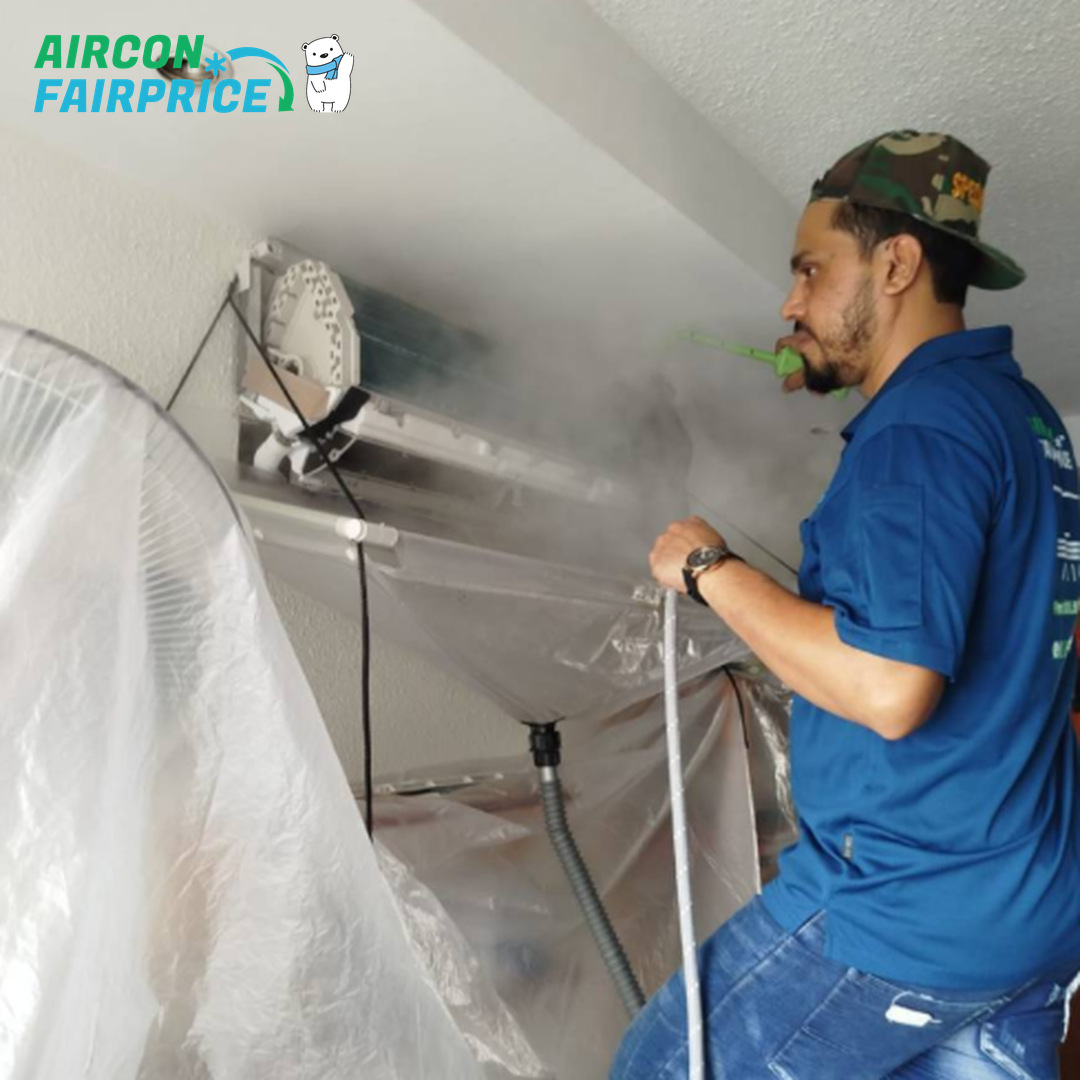
Quick answer: Before you move into a resale flat in Singapore, look up the aircon's age and servicing records, run each unit for a while to see how it cools, and book a professional inspection. The findings will tell you whether a simple service, a targeted repair or a full replacement makes the most sense for your budget.
Introduction: Why Checking the Existing Aircon Matters Before Move-In
Most resale flats in Singapore are sold with the previous owner's aircon still in place. It is easy to assume that because the units are there, they work well. In reality, their condition varies widely. One flat may have units that were chemically washed every year, while another has a compressor that has been struggling for a decade.
Finding out early saves you from unpleasant surprises. A unit that drips onto freshly painted walls, a compressor that dies in the first hot week, or old piping that cannot support a new system can all add unplanned costs just when your renovation budget is tight. Good Aircon Servicing & Installation planning starts with knowing exactly what you are inheriting.
The aim is not to replace everything by default. It is to gather facts, then choose the cheapest option that will keep your home cool and reliable.
Aircon leaking or not cold? Talk to our technician today
Check the Aircon's Age and Service History
Begin with the paperwork and the labels. They reveal more than a quick test on the remote.
Model and serial number: Both the indoor and outdoor units carry a label with the brand, model number and often a manufacturing date.
Installation date: Ask the seller or agent when each unit went in. If nobody remembers, the manufacturing date is a reasonable stand-in.
Receipts and service records: Invoices for installation, repairs and chemical washes show whether the system was looked after.
Warranty: Find out if any manufacturer or installer warranty is still running, and whether it passes to a new owner. Many do not, so ask before you collect the keys.
Refrigerant type: The label usually states R22, R410A or R32. R22 belongs to an older generation of systems and often tips the decision towards replacement.
Energy label: If the NEA energy label is still attached, the number of ticks hints at how costly the unit is to run.
No records at all? Treat the system as an unknown and lean towards a professional inspection rather than guessing.
Test Cooling and Look for Warning Signs
If you can enter the flat during a viewing or right after key collection, switch on each aircon and let it run for 15 to 30 minutes. Stay in the room and pay attention to the following.
Slow or uneven cooling: The room should cool steadily. Weak airflow often points to dirty filters, a clogged coil or a tired fan motor.
Dripping water: A blocked drain pipe is the usual culprit, but dripping can also come from poor insulation or an installation fault.
Odd noises: Rattling, grinding or loud humming can mean loose parts, a worn fan or a compressor under strain.
Smells: A damp, musty odor suggests mold on the coils. A burning smell means you should switch the unit off straight away.
Ice on the pipes or indoor unit: This may indicate low refrigerant or restricted airflow.
Compressor turning on and off repeatedly: Short cycling can be a sign of a refrigerant or electrical problem.
Error codes or a dead remote: These can point to a sensor or control board fault.
A quick test will not uncover everything, but it shows you fast whether a unit deserves a closer look.
Arrange a Professional Inspection
A reliable resale flat aircon inspection Singapore buyers can trust looks well beyond whether the unit switches on. A technician checks the parts you can see and the ones you cannot.
A thorough inspection should cover:
Indoor units: Coil cleanliness, fan operation, filter condition, mold and the drain tray.
Outdoor unit: Mounting and ledge condition, vibration, rust, electrical connections and fan performance.
Refrigerant piping: Signs of leaks, kinks, corrosion and incorrect sizing. Where possible, a nitrogen pressure test shows whether the pipes hold pressure.
Insulation: Foam that is cracked, soaked or crumbling leads to condensation and dripping ceilings.
Drainage: The drain line should slope properly and flow freely, with no blockages.
Electrical supply: Wiring, isolator switches and breaker capacity.
Overall performance: Supply air temperature, airflow strength and cooling output.
The piping check deserves special attention. If you may fit a new unit later, the inspection also tells you whether the old pipes can be reused or should be replaced, because pipes from older systems can hold moisture, oil residue or damage that harms a new compressor.
This is also the ideal moment for aircon servicing for resale flat buyers. A chemical wash or general service often exposes hidden faults, such as a clogged drain or a dirty coil, that a short test would never reveal.
Book aircon servicing or repair with expert technicians
Should You Service, Repair or Replace It?
Once you have the age, the test results and the inspection report, the decision becomes much clearer. Here is how each option usually fits.
Service it when the system is young and healthy. If the unit uses a current refrigerant such as R410A or R32, the piping is sound and the only issues are dirty filters, a mild smell or slightly weak cooling, a general service or chemical wash is often all you need.
Repair it when one clear fault stands out. A mid-life system with a single problem, such as a blocked drain causing leaks, a faulty fan or a minor gas leak, can often be fixed at reasonable cost. Repairs make sense if spare parts are available and the rest of the system checks out.
Replace it when problems keep stacking up. Consider a new unit if the system runs on R22, breaks down repeatedly, shows corrosion or a major compressor fault, uses a lot of electricity, or has damaged or unknown piping.
A simple rule of thumb: if a repair quote approaches a large share of the price of a new unit, replacement usually gives better value. If the system is young and in good shape, spending on a service is the smarter move.
When weighing aircon replacement resale flat Singapore owners should also think about room sizes, how many units they need and whether a different set-up, such as system 2 or system 3, suits their household. A technician can recommend the right capacity, so you do not end up with a unit that is too big or too small.
Plan Aircon Work Around Your Renovation
Aircon work touches ceilings, walls, electrical points and paint, so it runs best when it is built into your renovation schedule instead of squeezed in afterwards.
A practical sequence looks like this:
Inspect first. Book the aircon inspection as soon as you have access, ideally right after key collection and before any hacking begins.
Make the call. Use the report to decide between servicing, repair and replacement while there is still time to adjust your budget.
Brief your contractor. Share the aircon plan so false ceilings, power points and trunking are positioned around the final unit locations.
Install before the final finishes. For Aircon Installation Singapore jobs, fit the system after the heavy ceiling and wall work, but before painting touch-ups, to protect your new surfaces.
Finish with a clean. Once renovation dust has settled, have the indoor units and filters cleaned so construction debris does not clog your new or existing aircon.
Test before sign-off. Check cooling, drainage and noise levels before you accept the work.
Before starting, confirm the latest HDB renovation guidelines, or ask your contractor which rules apply to your flat.
Frequently Asked Questions
1. Should I service the existing aircon before moving into a resale flat?
In most cases, yes. A service cleans the coils, filters and drain lines, and gives a technician the chance to catch leaks, noises or weak cooling before you settle in. If the unit is very old, an inspection first can show whether paying for a service is worthwhile or whether replacing it would cost less over time.
2. How can I check the age of an aircon installed by the previous owner?
Read the labels on the indoor and outdoor units for the model number and manufacturing date, then ask the seller for the installation receipt, service records and warranty papers. If none exist, a technician can usually estimate the age from the model and the wear on the parts.
3. When should I replace an old aircon instead of servicing it?
Replace it when the system uses R22, keeps breaking down, shows corrosion or a serious leak, or still performs poorly after a service. It also makes sense when a repair would cost close to a new unit, or when the electricity bill is much higher than it should be.
4. Should aircon installation happen before or after renovation?
It works best as part of the renovation. Inspect the system before works begin, settle the unit positions before the ceiling and electrical work, and install before final painting. Then arrange a last clean once the dust has settled.
5. What should an aircon inspection for a resale flat include?
It should look at the indoor and outdoor units, the refrigerant piping, the insulation, the drainage, the electrical connections and the cooling performance. If you plan to fit a new system, it should also say whether the existing piping can be reused after testing.
Conclusion: Know What You Have Before You Move In
A few hours of checking can save you months of hassle. Start with the aircon's age and records, test how each unit cools, and have a technician inspect the units, piping, insulation and drainage. Then choose to service, repair or replace based on what the evidence shows, and time the work so it fits neatly into your renovation.
Want to know where your resale flat's aircon stands? Book an assessment with AirconFairprice.Sg for a clear inspection, straightforward advice and an itemized quote for servicing, repair or replacement, so you can move in knowing exactly what to expect.